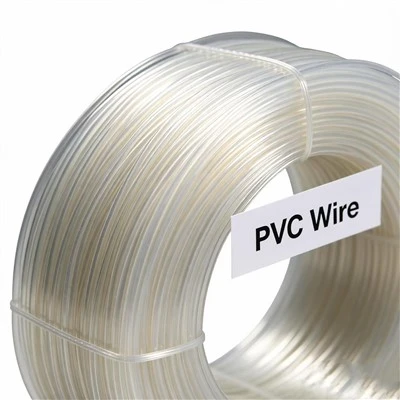

Coated wire consists primarily of two components: an inner metal core and an outer coating material. The core serves as the wire's structural backbone, providing strength, toughness, and support; common core materials include low-carbon steel wire, stainless steel wire, iron wire, and copper wire. Each core material offers distinct properties, allowing for selection based on the product's intended use and operating environment to meet specific requirements regarding strength, corrosion resistance, and processability.
The outer coating material serves to protect the core and enhance the wire's overall protective capabilities. Common coating materials include polymer materials such as PVC, PE, nylon, and polyester. PVC coatings are widely used due to their excellent moisture resistance, rust prevention, and insulating properties; PE coatings offer superior weather resistance and aging stability; and nylon coatings provide excellent wear resistance, making them suitable for applications requiring high levels of surface protection.
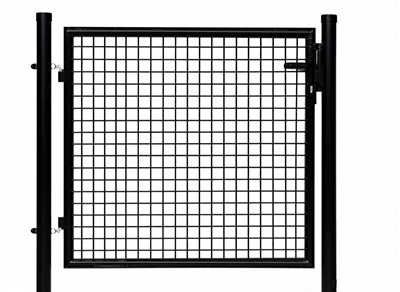
The combination of core and coating materials is tailored to specific application areas. For instance, a standard steel core paired with a plastic coating is suitable for gardening, fencing, and binding applications, whereas a stainless steel core combined with a weather-resistant coating is ideal for humid or highly corrosive environments. Carefully selecting the core and coating materials ensures the product delivers an optimal balance of strength, protection, and longevity.
Advancements in materials technology continue to drive the optimization of coated wire materials. The use of eco-friendly coatings, highly wear-resistant materials, and high-performance composites has further enhanced product durability, environmental sustainability, and functionality, enabling these wires to meet the performance demands of an increasingly diverse range of industries.