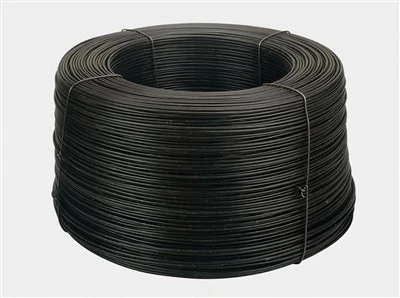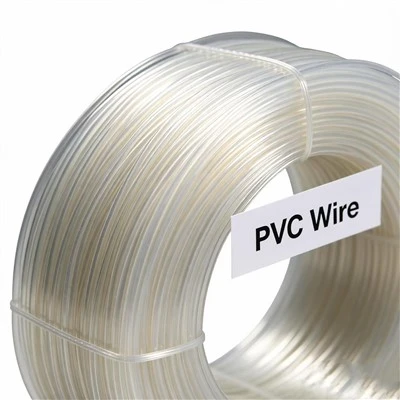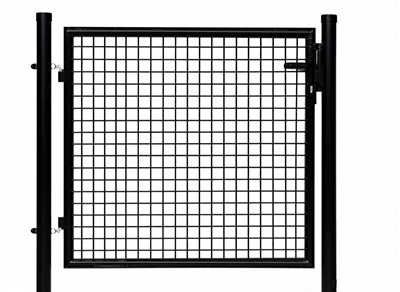

The primary function of coated wire is to enhance the product's protective capabilities and operational stability by covering the wire surface with a protective material. The coating isolates the metal core from the external environment, mitigating the impact of moisture, oxygen, and other corrosive agents; this effectively reduces rusting and aging, thereby extending the wire's service life.
Coated wire also offers protective and reinforcing benefits. The outer coating minimizes friction and wear during contact with other objects, reducing the risk of surface damage. Furthermore, specialized coatings can provide properties such as electrical insulation, moisture resistance, and weatherability, enabling the wire to meet the demands of diverse environments and enhancing overall product performance.
Coated wire offers significant advantages during processing. The protective surface layer minimizes scratching on other materials during operations such as bending, fastening, or weaving, while maintaining an attractive appearance. Coatings available in various colors can also be used to distinguish between different uses or enhance the product's aesthetic appeal, allowing it to meet a wider range of application requirements.
Additionally, coated wire helps lower maintenance costs. Effective surface protection reduces the frequency of repairs and replacements, improving the product's long-term cost-effectiveness. Consequently, coated wire is widely used in sectors such as construction, agriculture, horticulture, industrial manufacturing, and protective installations, serving as a practical wire product that combines strength with protective performance.