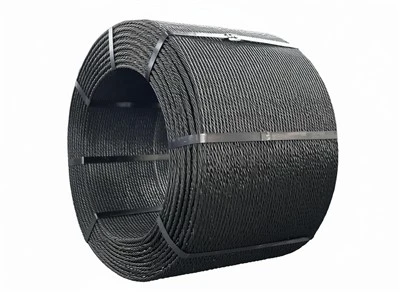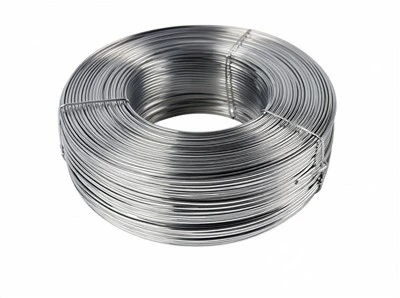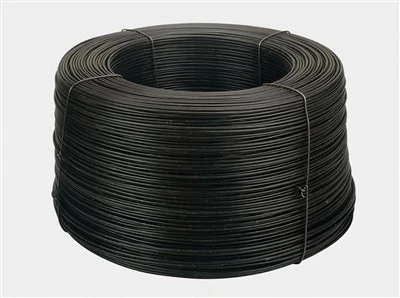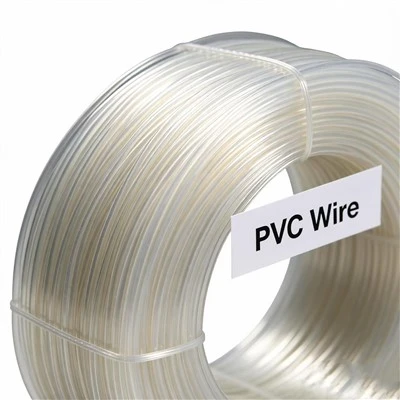

The specifications of coated wire are primarily determined by parameters such as core diameter, coating thickness, outer diameter, length, and material type. Core diameter is a key factor influencing the wire's strength and load-bearing capacity; a range of diameters is available to suit different needs, from finer to thicker gauges. Products of varying diameters differ in flexibility, tensile strength, and scope of application, requiring selection based on the intended use.
Coating thickness is another critical specification. An appropriate coating thickness ensures effective protection while maintaining good processability. A coating that is too thin may compromise protective capabilities, whereas one that is too thick can reduce the wire's flexibility. Consequently, manufacturers must carefully control coating thickness based on the operating environment and specific customer requirements.
Coated wire can also be categorized by length, packaging method, and color. Common packaging formats include coils and spools, with lengths customizable to specific needs. Different coating colors not only meet aesthetic preferences but also facilitate identification and management across various application scenarios.
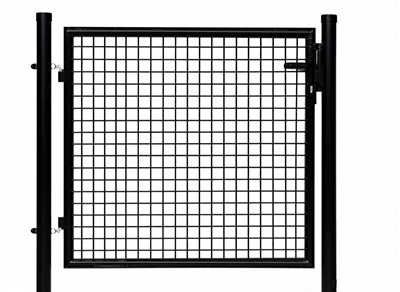
Selecting the right coated wire specification requires a comprehensive assessment of the operating environment, mechanical load, and processing method. For instance, wire used for gardening ties typically requires smaller or medium gauges with good flexibility, whereas applications such as fencing or industrial securing demand higher-strength, heavier-gauge wire. Making the appropriate choice maximizes the wire's performance advantages and ensures optimal results in use.