
The technical specifications for galvanized wire primarily include wire diameter, tensile strength, zinc coating mass, elongation, surface quality, and packaging method; these parameters directly influence the product's performance and scope of application. Depending on specific application needs, the wire diameter generally ranges from 0.20 to 6.00 mm, with custom specifications available for special purposes. The diameter must be uniform, and dimensional deviations must comply with relevant product standards to ensure stability during processing and use.
Tensile strength is a key indicator of mechanical performance; standard products typically range from 350 to 800 MPa, while high-strength variants can exceed 1000 MPa. Elongation is generally at least 8%, with some soft-grade wires reaching over 15% to ensure good flexibility and workability. Zinc coating quality is usually expressed in terms of mass per unit area (g/m²) or coating thickness (μm); hot-dip galvanized wire typically ranges from 40 to 300 g/m², while electro-galvanized wire ranges from 10 to 30 g/m², with coating thickness selected based on the intended operating environment.
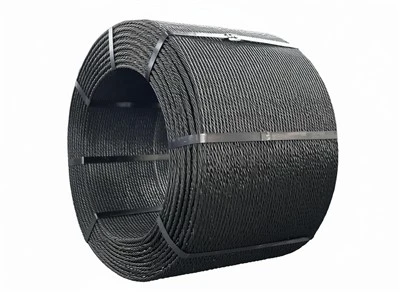
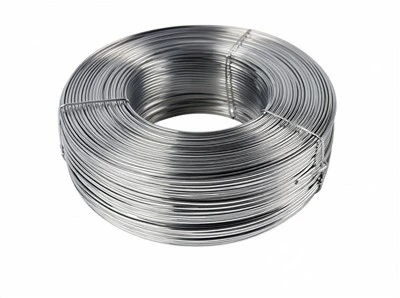
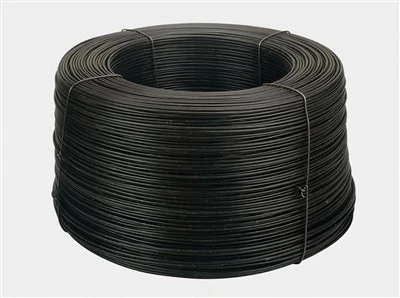
In addition to the parameters above, galvanized wire requires a smooth surface and a uniform coating free from defects such as cracks, uncoated spots, significant burrs, or rust, while also demonstrating excellent coating adhesion and corrosion resistance. Products are typically packaged in coils, with individual coil weights adjustable to meet transportation and usage requirements. During production, all technical parameters must comply with relevant national or industry standards to ensure consistent quality and meet the demands of sectors such as construction, agriculture, electric power, transportation, and industrial manufacturing.