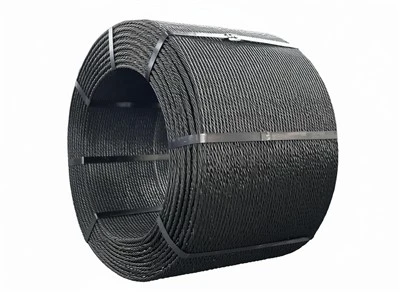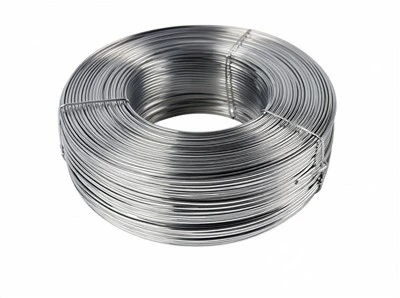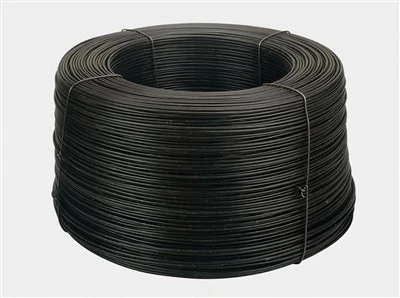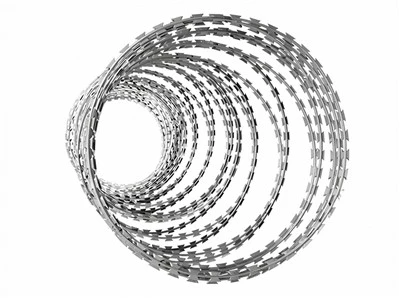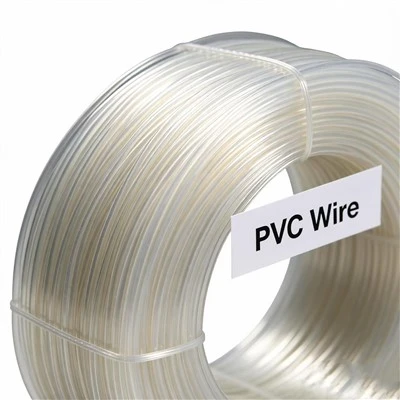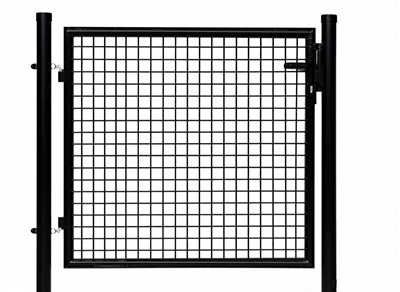

Coated wire offers excellent overall performance; its defining characteristic is a protective layer applied over a metal core, which enhances corrosion resistance and operational stability while maintaining the wire's inherent strength. Different coating materials impart distinct properties-for instance, a PVC coating improves rust resistance, moisture protection, and insulation, enabling the product to withstand more demanding environments.
In terms of mechanical properties, coated wire demonstrates good flexibility and tensile strength. The internal metal wire provides structural support, capable of withstanding tension and bending, while the outer coating minimizes wear on the metal surface. Consequently, coated wire is resistant to breakage and easy to cut, bend, and secure, thereby boosting efficiency during installation and processing.
Coated wire also exhibits superior weather resistance and protective qualities. For outdoor applications, the outer coating shields the internal metal from rain, moisture, and certain chemicals, delaying the onset of rust. Additionally, the coating acts as a barrier, preventing damage from direct contact with other objects and extending the product's service life.
Thanks to its high strength, corrosion resistance, ease of processing, and varied aesthetic options, coated wire is widely used in sectors such as gardening, construction, industrial manufacturing, fencing, and the production of everyday household items. When selecting coated wire, one should consider the specific operating environment and functional requirements-choosing the appropriate core type, coating material, and product specifications-to ensure optimal performance and safety.