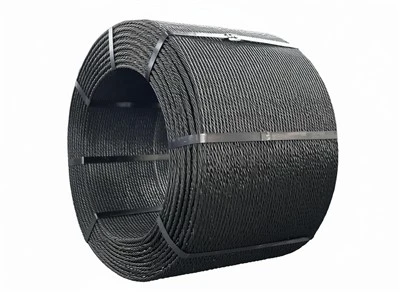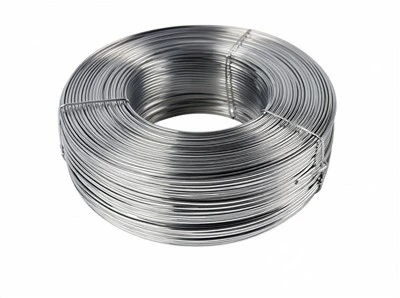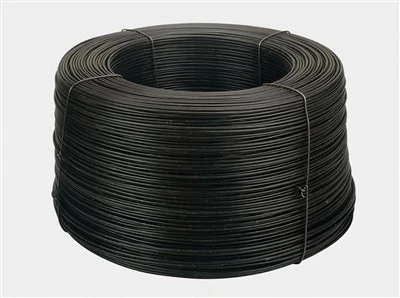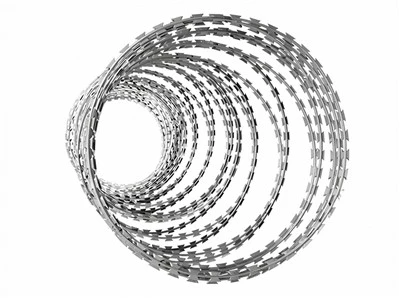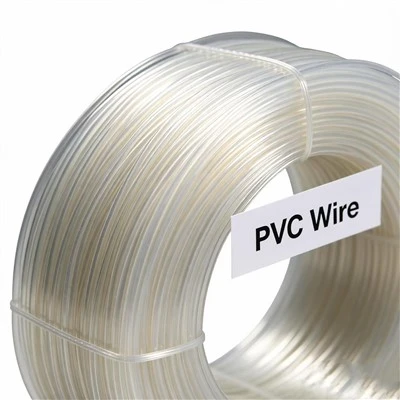

The configuration of coated wire typically consists of three main components: the core material, the coating layer, and the surface treatment. The core material forms the structural backbone of the wire, providing strength and support; common materials include low-carbon steel wire, stainless steel wire, iron wire, and copper wire. The core's diameter, strength grade, and material properties are adjusted based on specific application needs to ensure the product performs well in various environments.
The coating layer is a crucial component that protects the internal metal, enhancing the product's corrosion resistance and service life. Common coating materials include plastics such as PVC, PE, and nylon, each offering distinct characteristics. For instance, PVC offers excellent moisture resistance, rust prevention, and insulation, making it suitable for outdoor use, whereas nylon coatings provide superior wear and aging resistance, making them ideal for applications requiring robust surface protection.
In addition to the core and coating, the wire's specifications-such as wire diameter, outer diameter after coating, coating thickness, color, and length-significantly influence performance. During production, dimensions are controlled to meet customer requirements, striking a balance between strength, flexibility, and appearance to facilitate subsequent processing and installation.
The configuration of coated wire is selected based on the intended operating environment and functional requirements. For example, wire used for gardening ties prioritizes flexibility and weather resistance, while wire used for industrial fastening requires higher strength and stability. Properly matching the core material with the coating material maximizes the wire's advantages, thereby enhancing its practicality and reliability.