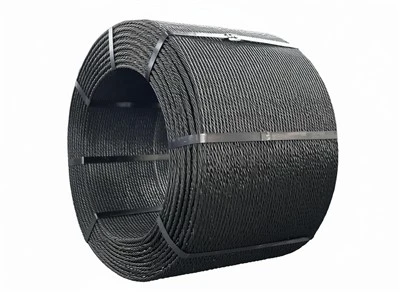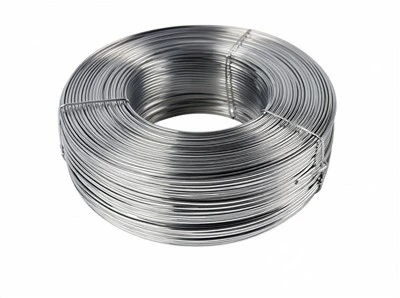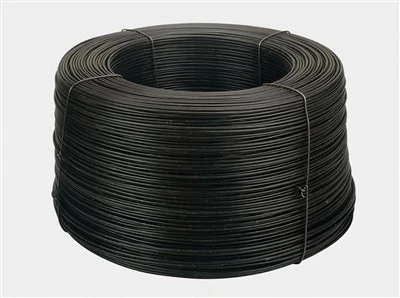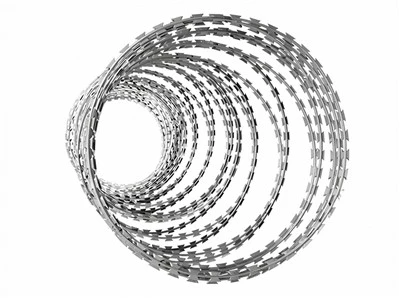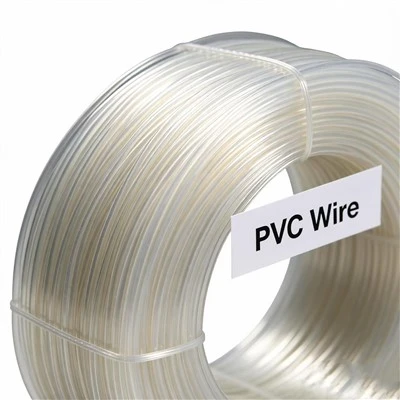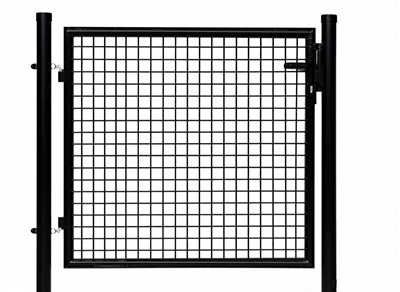

Chain-link fencing is a type of protective barrier formed by woven metal wire; it is characterized by a robust structure, ease of installation, and a wide range of applications. Typically manufactured from galvanized, PVC-coated, or stainless steel wire, it creates a continuous protective surface through its interconnected mesh structure, effectively serving purposes such as isolation, protection, and area demarcation.
Chain-link fencing offers excellent flexibility and adaptability, allowing for installation adjustments based on the specific shape of a site. Compared to traditional solid walls, chain-link fencing is lighter, simpler to install, and easier to dismantle and maintain. Furthermore, its mesh structure ensures good visibility and airflow, making it ideal for environments requiring open-style protection.
Galvanized or coated chain-link fencing exhibits strong rust and corrosion resistance, making it suitable for long-term outdoor use. The protective surface layer mitigates the impact of rain, moisture, and environmental elements on the metal, thereby extending the fence's service life. Products are available in various materials and specifications to meet specific strength requirements based on the intended application environment.
Due to its high safety, cost-effectiveness, and installation flexibility, chain-link fencing is widely used in industrial facilities, roadside barriers, sports venues, livestock enclosures, residential perimeters, and public infrastructure protection. By carefully selecting mesh size, wire diameter, and surface treatment, chain-link fencing can be tailored to effectively meet the protective needs of diverse scenarios.