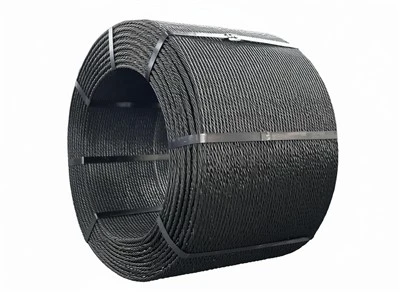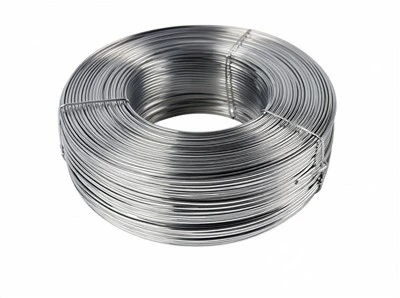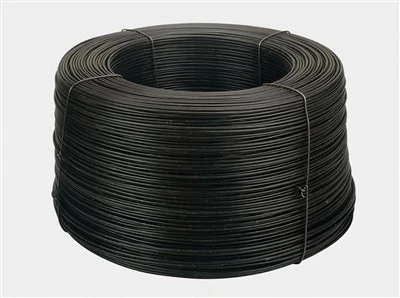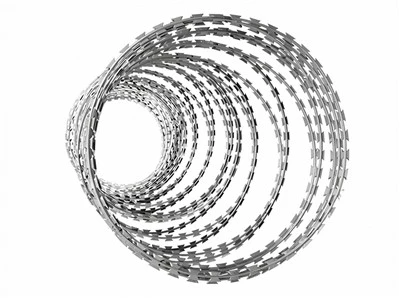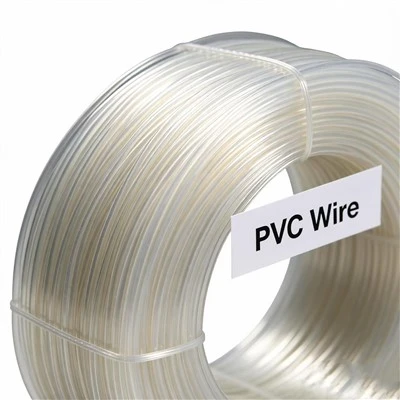

Coated wire consists primarily of two components: a core and an outer coating. Materials are selected based on the specific performance requirements of the intended application. Common core materials include low-carbon steel wire, stainless steel wire, iron wire, and copper wire; these provide the necessary strength, structural support, and electrical conductivity. The outer coating typically utilizes plastic, PVC, PE, nylon, or other polymer materials to enhance corrosion resistance, insulation, and surface protection.
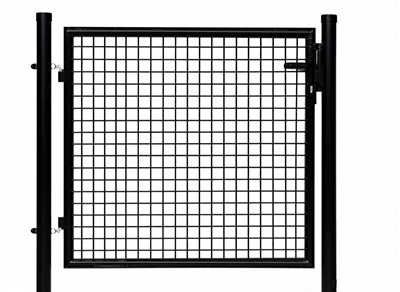
The combination of materials for coated wire is often determined by the operating environment. For instance, products featuring a steel core and a PVC coating offer excellent mechanical strength and rust resistance, making them suitable for applications such as fencing, gardening, and construction support materials. Conversely, coated wires with stainless steel or copper cores are preferred for applications demanding superior corrosion resistance, electrical conductivity, or aesthetic appeal.
The choice of materials directly influences the wire's service life and performance. A high-quality core ensures load-bearing capacity, while a stable coating material minimizes the impact of the external environment on the internal metal. By strategically combining different materials, coated wire can achieve an optimal balance of strength, durability, and processability, thereby meeting the diverse needs of various industries.