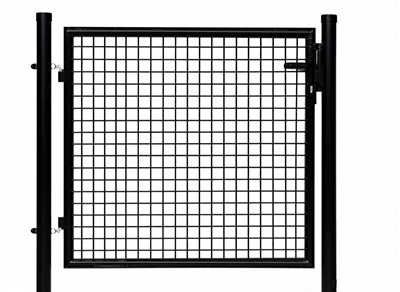

The materials used to manufacture metal fence gates primarily include components for the gate frame and gate body, connecting hardware, and surface protective coatings. Common structural materials include low-carbon steel, stainless steel, and aluminum alloy. Low-carbon steel is widely used for standard metal fence gates due to its favorable strength, ease of processing, and cost-effectiveness. Stainless steel, offering superior corrosion resistance and an attractive appearance, is suitable for applications requiring a long service life and high environmental adaptability.
The gate body is typically constructed using steel pipes, wire mesh, square tubing, or metal sheets. Steel pipe structures offer high stability and load-bearing capacity, making them ideal for large gate frames, whereas wire mesh structures are lightweight and provide good visibility, making them common choices for areas requiring ventilation and unobstructed sightlines. Material specifications and structural designs are adjusted according to specific usage requirements.
To extend the service life of metal fence gates, surface protective treatments are usually applied during manufacturing. Common methods include hot-dip galvanizing, powder coating, and painting, all of which enhance the material's resistance to rust, corrosion, and aging. Galvanizing, in particular, creates a protective layer on the metal surface that effectively mitigates the impact of outdoor environments on the steel, thereby increasing the gate's durability.
Metal fence gates also require appropriate hardware-such as hinges, locks, latches, and connectors-as these components influence the gate's stability and ease of use. During production, the selection of material combinations must take into account the installation environment, frequency of use, and security requirements to ensure the gate delivers optimal strength, durability, and practicality.