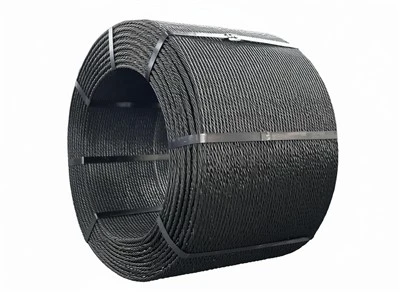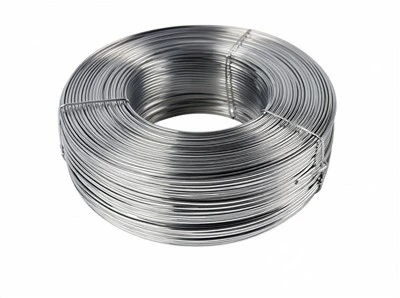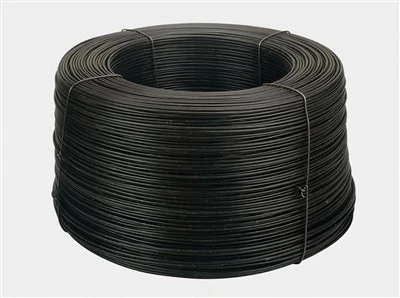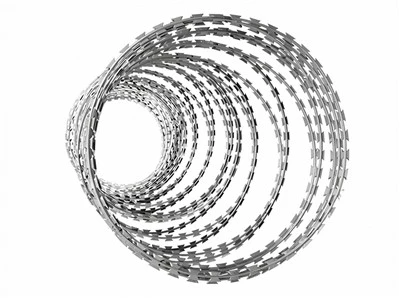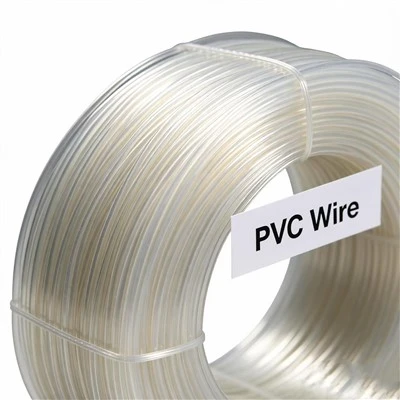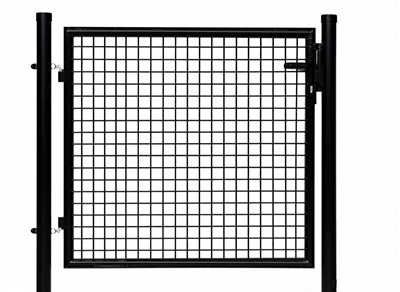

The working principle of coated wire relies primarily on the combination of a metal core and an outer coating material, enabling the product to possess both load-bearing capacity and protective properties. The inner core serves as the primary load-bearing component, providing tensile strength and structural support to withstand external forces, while the outer coating acts as a barrier, shielding the metal core from environmental factors and thereby enhancing the product's stability and service life.
In practical application, coated wire utilizes its inherent flexibility and workability to facilitate operations such as bending, winding, and fastening. The metal core maintains structural integrity, preventing breakage under tension or compression, while the coating reduces friction-preventing surface wear from direct contact with other objects-and provides moisture resistance, rust prevention, and electrical insulation.
The performance characteristics of different types of coated wire vary depending on the specific core and coating materials used. For instance, steel-core coated wire relies on the steel wire for high strength, making it suitable for applications requiring secure fastening and support; conversely, wires coated with specialized plastics offer enhanced weather and aging resistance, making them ideal for long-term use in demanding environments.
In summary, the working principle of coated wire leverages a structural design where the core bears the load and the coating provides protection, effectively combining strength with durability. Through the appropriate selection of materials and manufacturing processes, coated wire delivers stable, reliable performance across a wide range of applications, including construction, agriculture, industrial manufacturing, and everyday use.