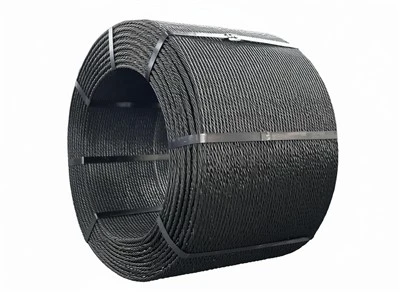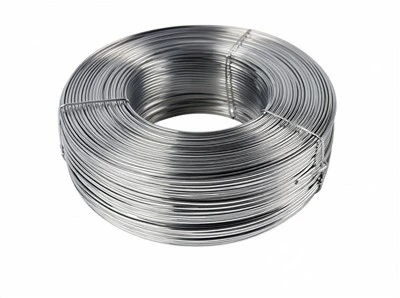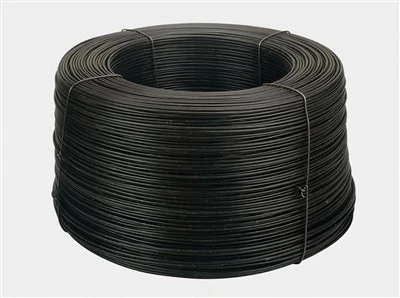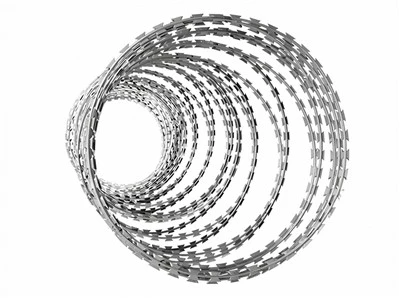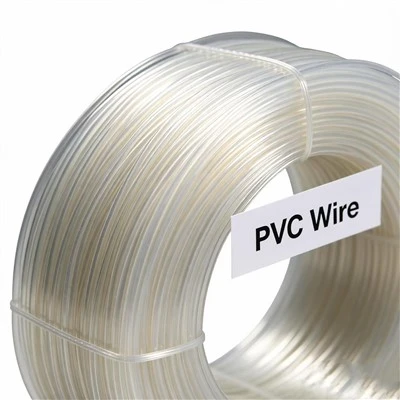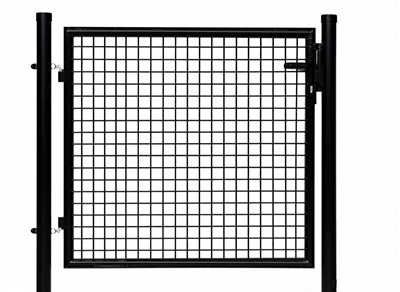

Galvanized wire is typically straight in form; following the wire-drawing and galvanizing processes, it exhibits a smooth, uniform metallic finish. Diameters vary according to production methods and application requirements, ranging from fine wire products to thicker gauge wire. Common specifications feature a circular cross-section, offering excellent flexibility and workability, which facilitates bending, bundling, and weaving.
In addition to standard round galvanized wire, products are often processed into various forms based on their intended use, such as cut-to-length wire, U-shaped wire, binding wire, and coiled wire. Cut-to-length wire is produced in fixed lengths for ease of use during construction; U-shaped wire is primarily used for securing and bundling; and coiled wire is packaged in rolls to facilitate transport and continuous application. These diverse forms of galvanized wire meet a wide range of needs across sectors such as construction, agriculture, and industrial manufacturing.
The shape of galvanized wire influences not only processing methods but also performance in use. Wire with a smooth surface and uniform dimensions offers superior handling and stability, meeting installation and operational requirements across various environments. Selecting the appropriate specifications and shapes can enhance construction efficiency while extending the product's service life.