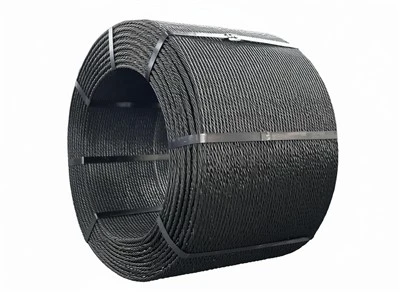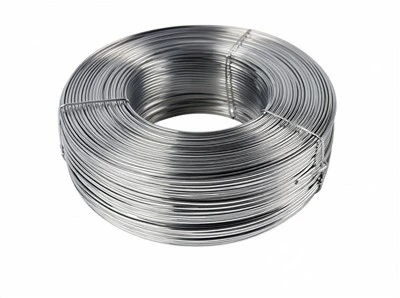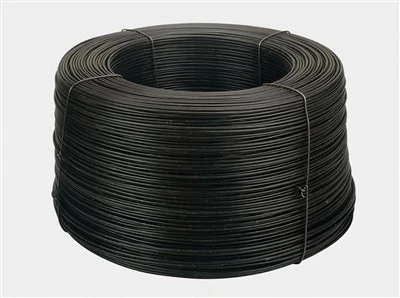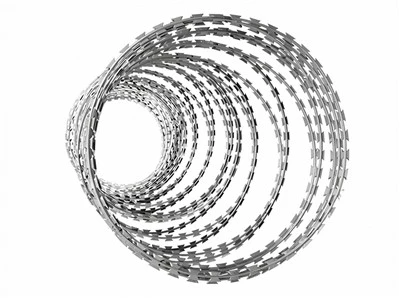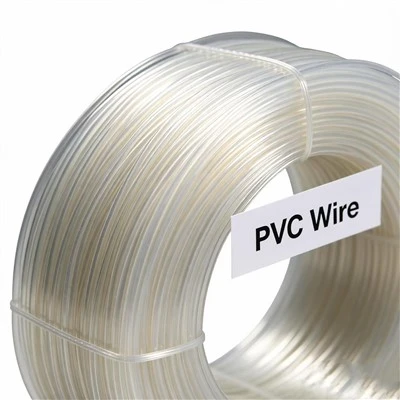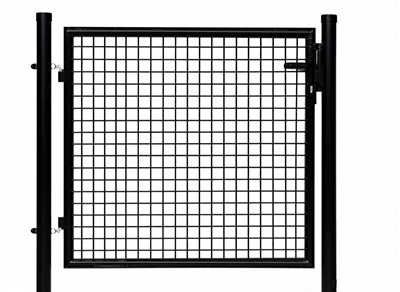

Galvanized wire is manufactured from high-quality low-carbon steel wire through a series of processes, including drawing, annealing, pickling, and galvanizing. The steel wire core provides high strength and toughness, while the uniform zinc coating effectively isolates the metal from air and moisture, minimizing oxidation and corrosion and thereby extending the product's service life.
Depending on the production process, galvanized wire generally falls into two categories: hot-dip galvanized wire and electro-galvanized wire. Hot-dip galvanized wire is produced by immersing the steel wire in a bath of molten zinc at high temperatures, creating a strong metallurgical bond between the zinc layer and the steel surface; this results in a thicker coating and superior corrosion resistance. Electro-galvanized wire, on the other hand, is produced using electrolysis to deposit a zinc layer onto the steel surface, resulting in a smooth finish, uniform coating, and high dimensional precision-making it ideal for applications where appearance is a priority.
In terms of its overall structure, galvanized wire consists of a steel core and an outer zinc layer that work in tandem. The steel core bears the primary mechanical load, ensuring the product possesses adequate structural integrity, while the outer zinc layer provides protection against corrosion and rust, safeguarding the base metal. Even if the zinc coating sustains minor damage, it continues to protect the steel wire through the sacrificial anode effect; consequently, galvanized wire is widely used in sectors such as construction, agriculture, transportation, electric power, and metal manufacturing.