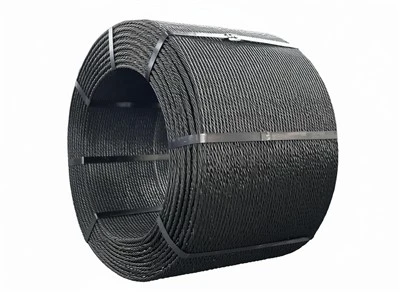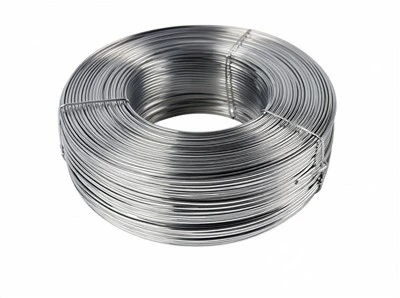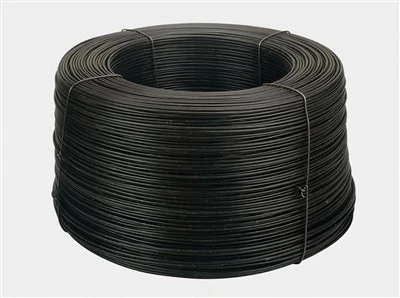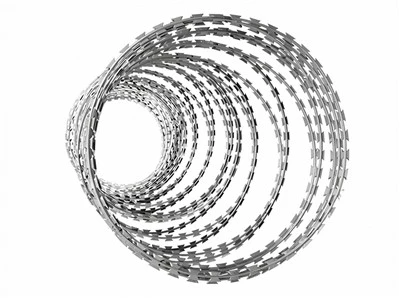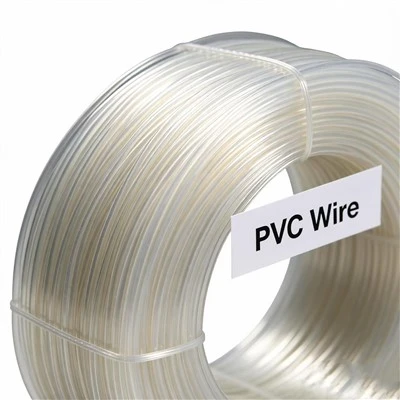

Before use, select the appropriate specifications and type of galvanized wire based on actual requirements. Galvanized wires of different diameters vary in load-bearing capacity and flexibility; thinner wires are suitable for light-duty tasks such as bundling and securing, while thicker wires are better suited for connections and supports requiring higher strength. During use, inspect the wire surface for integrity; avoid using products with obvious damage or peeling zinc coatings to ensure optimal performance and durability.
During construction or processing, use suitable tools for bending, cutting, and securing the wire, avoiding excessive force that could deform the wire or damage the zinc coating. When bundling, adjust the wrapping method according to the weight and load conditions of the object being secured to ensure a firm connection. Additionally, avoid repeated bending of the wire after it has been shaped, as this can compromise its strength and service life.
Proper storage and maintenance are essential. Although the zinc coating enhances rust resistance, the wire can still be affected by prolonged exposure to harsh environments, such as damp conditions or contact with acids and alkalis. Therefore, store the wire in a dry environment and prevent direct contact with corrosive substances. Proper selection, standardized handling, and appropriate storage allow you to fully utilize the benefits of galvanized wire, including its corrosion resistance, stable strength, and ease of use.