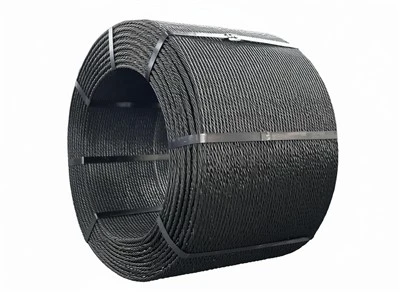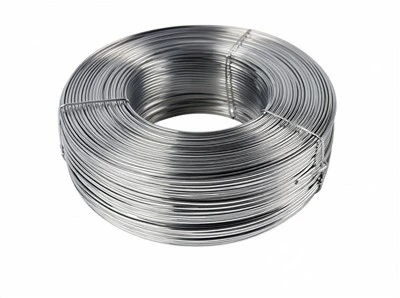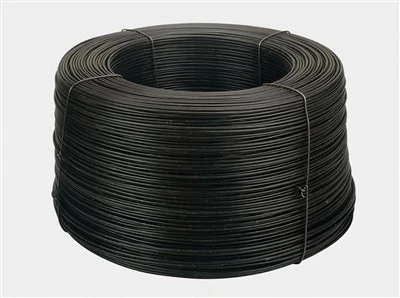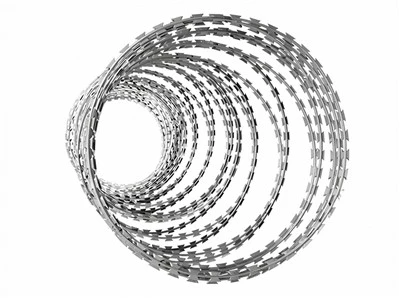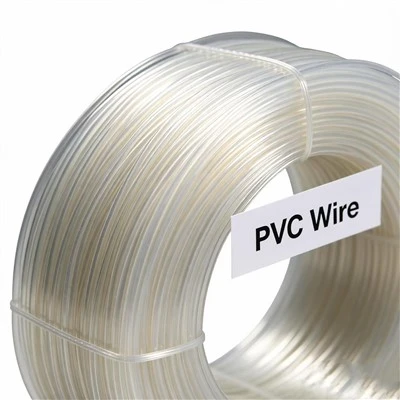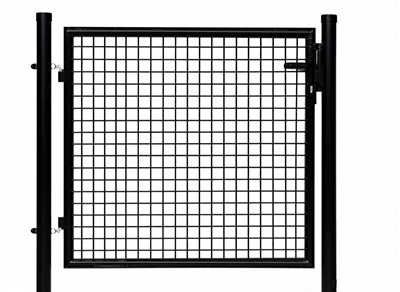

Before production begins, suitable metal materials-such as steel pipes, square tubing, wire mesh, or other profiles-must be selected based on product design specifications. Raw materials undergo inspection to ensure their dimensions, strength, and surface quality meet processing requirements.
The metal materials are first processed through cutting, bending, and punching to achieve the required design dimensions and structural specifications. Subsequently, the door frame, door panel, and internal support structures are assembled using welding or bolting. During welding, weld quality is strictly controlled to ensure strong connections and smooth surfaces, preventing defects such as cold welds or cracks that could compromise functionality.
Metal fence gates typically undergo surface treatment to enhance their protective capabilities. Common processes include hot-dip galvanizing, powder coating, and painting; these create a protective layer on the metal surface that improves resistance to rust, corrosion, and aging. Treatment methods are selected based on the intended operating environment to ensure suitability for long-term outdoor use.
Finished products undergo quality inspections, including dimensional checks, weld strength testing, surface quality assessments, and tests for smooth opening and closing operation. Only gates that pass these inspections proceed to packaging and installation. Strict control over every stage of production ensures the product's structural stability, durability, and operational safety.