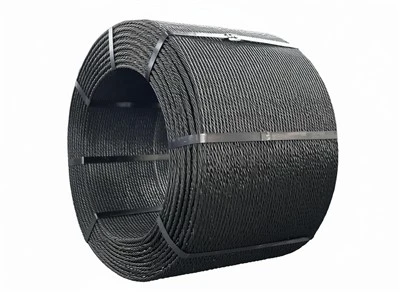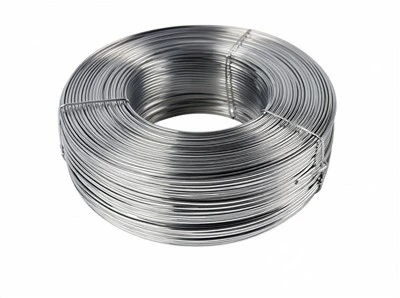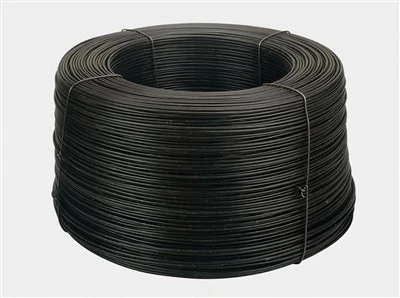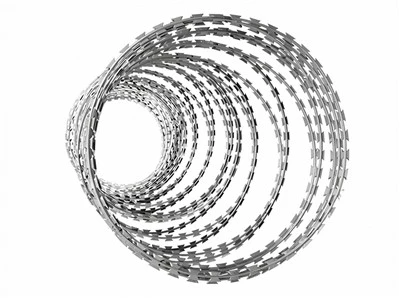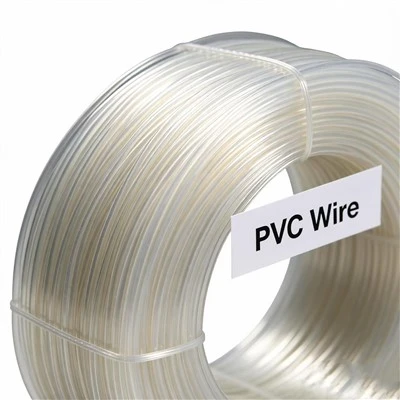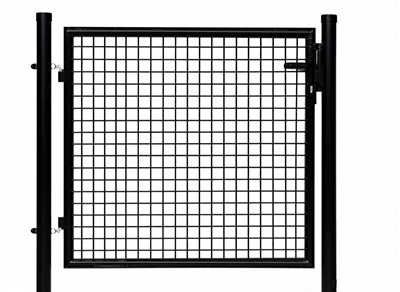

Testing methods for coated wire primarily encompass visual inspection, dimensional checks, coating performance testing, and mechanical property testing. Evaluating these parameters determines whether the product quality meets operational requirements. Visual inspection focuses on the uniformity and integrity of the coating, checking for defects such as blistering, peeling, cracking, or scratching to ensure a high-quality surface finish.
Dimensional inspection verifies that the coated wire meets specifications, covering parameters such as core diameter, finished outer diameter, coating thickness, and length. Professional measuring tools are used for sampling inspections to ensure consistency and stability across production batches, thereby facilitating subsequent processing and installation.
Coating performance testing is crucial for assessing the product's protective capabilities; it typically includes tests for coating adhesion, wear resistance, corrosion resistance, and weather resistance. These tests evaluate the bond strength between the coating and the metal core, as well as the product's performance in humid, abrasive, or outdoor environments, ultimately determining its protective efficacy and service life.
Mechanical property testing is also required, focusing on metrics such as tensile strength, elongation, and bending characteristics. These tests assess the wire's load-bearing capacity and suitability for processing under external forces. A comprehensive testing process effectively ensures the quality of coated wire, guaranteeing stable and reliable performance in applications ranging from construction and agriculture to industrial manufacturing and protective infrastructure.